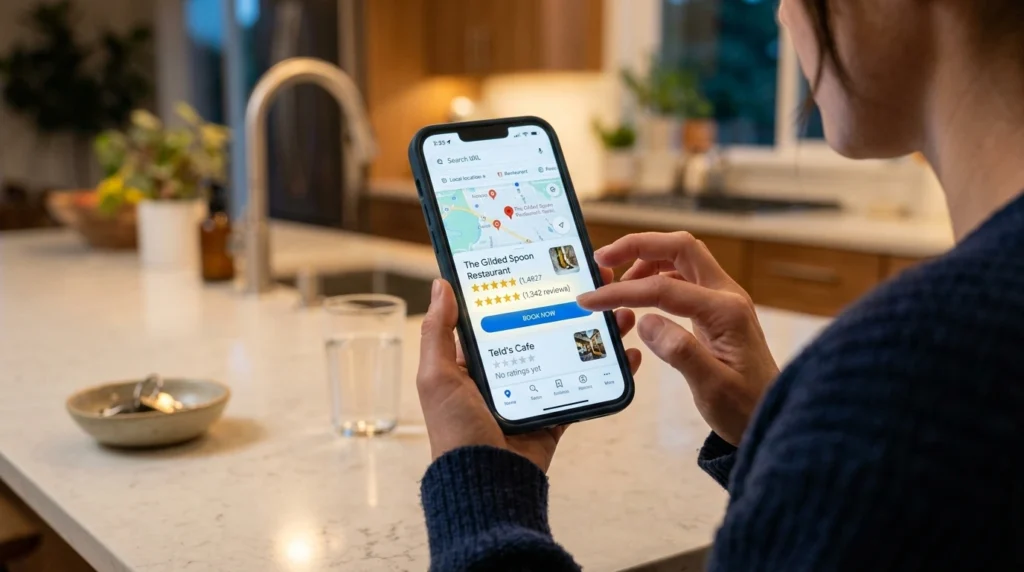
Before anyone calls your plumbing company, books a table at your restaurant, walks into your med spa, or schedules a consultation with your law firm — they check your reviews.
Not your website. Not your social media. Your reviews.
A four-word Google search and thirty seconds of scrolling tells a potential customer more about your business than any homepage you’ve ever built. How many reviews you have, what people say, how recently they said it, and whether you responded — all of that adds up to a verdict before they’ve had any contact with you at all.
Most business owners treat reviews as a side effect of doing good work. They’re not. They’re a system. And the businesses winning the most customers locally have figured that out.
Why Reviews Decide the Sale
Think about the last time you chose a local business you’d never used before. A new dentist, a contractor, a restaurant in an unfamiliar neighborhood. What did you do before you called or booked?
You checked the reviews. Probably on Google. Maybe on Yelp or a platform specific to your industry. You looked at the overall rating, you read a few of the recent ones, and you made a judgment call based on what strangers said about their experience.
Your customers do exactly the same thing. The difference is that you’re now on the other side of that judgment.
A business with 4.8 stars and 120 reviews wins over a business with 4.9 stars and 11 reviews almost every time. Volume creates credibility. A handful of perfect scores looks like the owner asked their friends. A hundred reviews spread across two years with a few imperfect ones mixed in looks real.
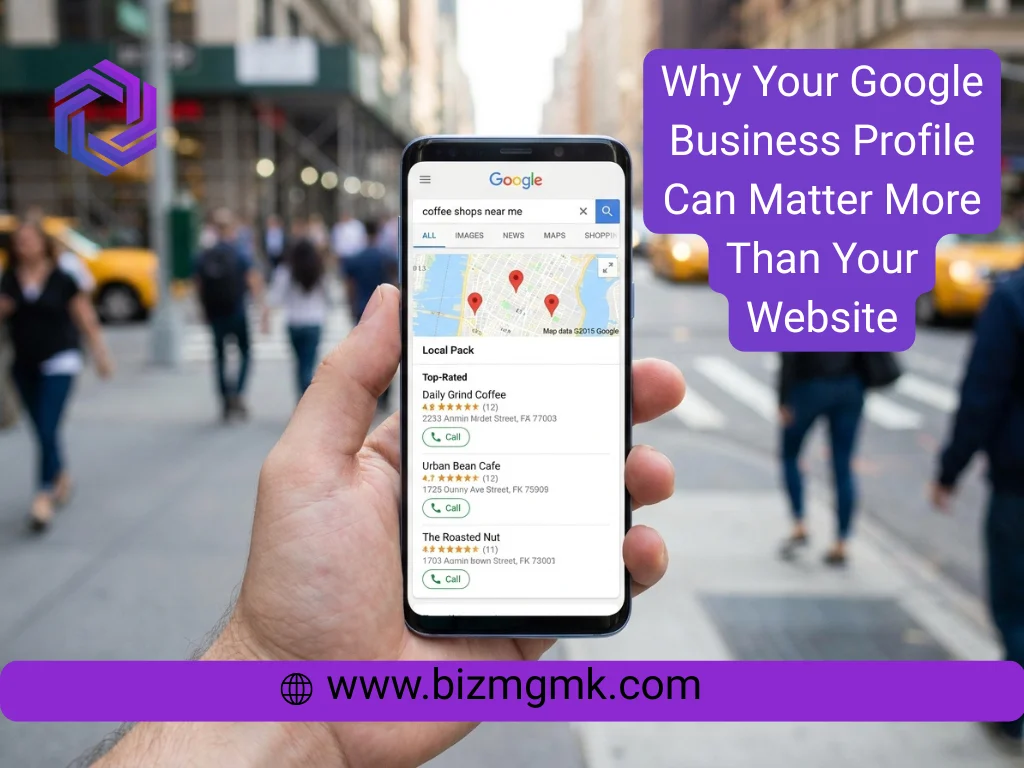
Reviews also directly affect where you show up. Google’s local ranking algorithm weights review count and recency heavily. A competitor who actively collects reviews will rank above you in the map pack even with a similar overall rating, because their profile looks more active and more trusted.
How Many Do You Actually Need
There’s no magic number, but there are thresholds that change how customers perceive you.
Under 10 reviews: the business looks new, quiet, or possibly unreliable. Most people want more data before committing.
10 to 30 reviews: enough to establish basic credibility. Customers will read several of them carefully.
30 to 100 reviews: you’re in competitive territory. The rating matters more here than the volume.
Over 100 reviews: volume itself becomes a trust signal. Customers skim rather than read carefully because the sheer number feels like consensus.
Where you need to be depends on your competitors. Search your own business category in your area and look at what the top three map pack results have. That’s your benchmark. If they’re sitting at 80 reviews and you have 14, that gap is costing you positions and customers.
The goal isn’t a number. It’s staying ahead of or level with whoever’s competing with you locally.
Asking the Right Way at the Right Time
Most businesses never ask for reviews at all. They assume customers who had a good experience will leave one spontaneously. Some do. Most don’t — not because they’re unhappy, but because it didn’t occur to them and there was no prompt.
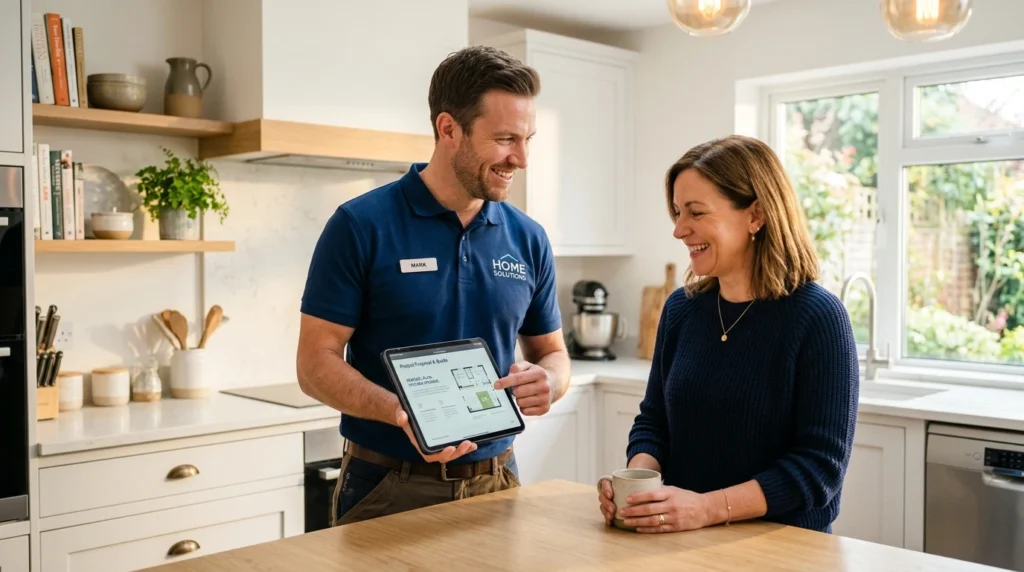
The right time to ask is immediately after a positive interaction. Not a week later in an email they might ignore. Right then, while the experience is fresh and the goodwill is at its peak.
For a plumber or electrician or general contractor: when you’ve finished the job and the customer is happy with what they see, that’s the moment. “If you’re happy with everything, it would really help us if you left us a quick Google review — I can send you the link right now.”
For a dental clinic or medical clinic or chiropractor: at checkout, after a good appointment. The receptionist has more power here than most practices realize. A simple script, said genuinely, converts a large percentage of satisfied patients into reviewers.
For a restaurant or cafe: a small card with the bill, or a note on the receipt. Not a generic “rate us” prompt — something specific. “Enjoyed your meal? Two minutes on Google means the world to a small business.”
For a law firm or med spa: a follow-up message after a matter closes or a treatment is completed. Timing it to a moment of satisfaction — the case resolved, the results visible — is what makes it land.
The language matters too. “Leave us a review” feels like a chore. “It would really help us out” feels like a favor between people. The second version gets more responses.
Making It Effortless
The review link is the difference between someone intending to leave a review and actually doing it.
Most customers who mean to leave a review don’t because they get to Google, can’t immediately find the right place to write it, lose the motivation in those ten seconds of friction, and move on. That’s not laziness — that’s just how attention works.
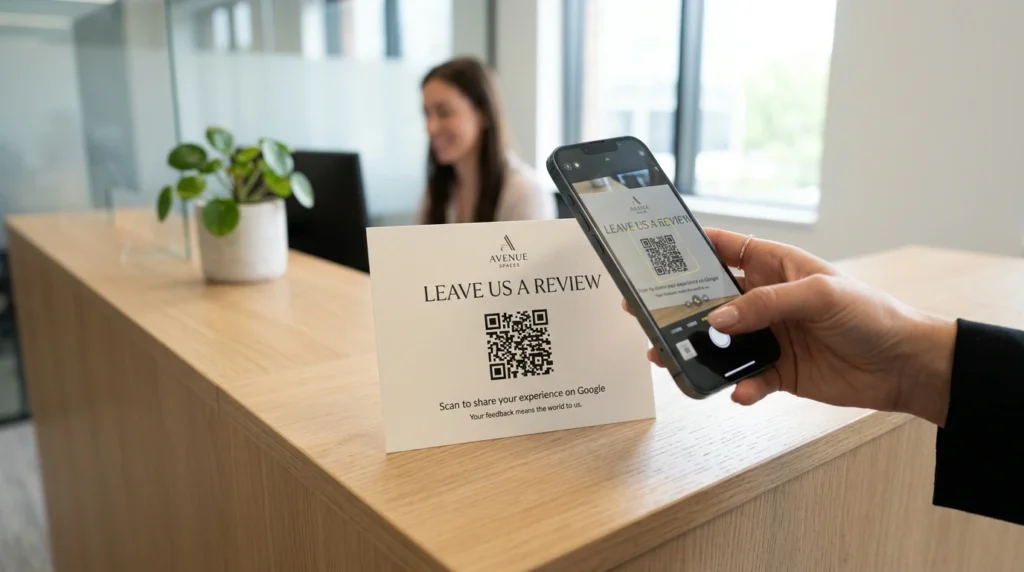
Your review link should go directly to the review box, not to your Google Business Profile homepage. Google provides a direct link specifically for this. Find it in your Google Business Profile dashboard under “Get more reviews” — it takes customers straight to the screen where they type. That link is what you text, email, put on a card, and add to your email signature.
A QR code printed on a card, added to a receipt, stuck on the counter, or included in a follow-up text takes someone from your physical location directly to the review screen on their phone in two taps. For businesses with regular foot traffic — gyms, clinics, cafes, spas — this alone meaningfully increases review volume.
The easier you make it, the more reviews you get. This is obvious in principle and ignored in practice by the majority of local businesses.
Responding to Good and Bad Reviews
A lot of business owners respond to bad reviews and ignore good ones. That’s backwards.
Responding to every review — good and bad — signals to Google that the profile is active and managed, and it signals to potential customers reading your reviews that there’s a real person behind the business who pays attention.
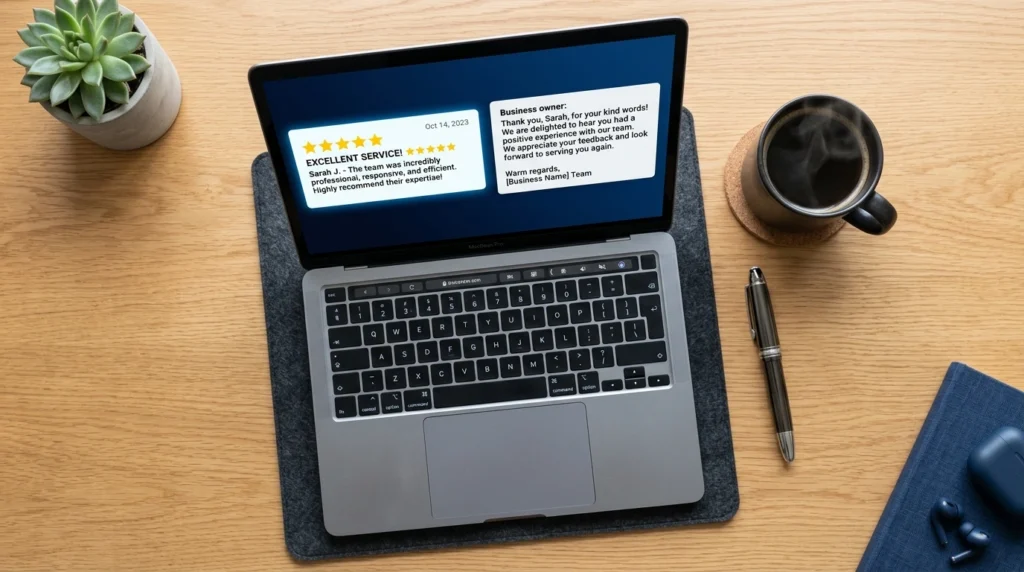
Responding to good reviews doesn’t need to be elaborate. Thank them by name, reference something specific they mentioned, and keep it short. “Thanks Sarah — really glad the treatment results have been noticeable. Look forward to seeing you at your next appointment.” Thirty seconds, done. It makes the reviewer feel acknowledged and shows everyone else reading that you care.
Bad reviews are where most businesses handle it wrong. The instinct is to defend, explain, or argue. Don’t.
The customer reading your response to a bad review doesn’t care who was right. They care how you handled it. A calm, professional response that acknowledges the experience and offers to resolve it offline — “I’m sorry to hear this wasn’t the experience we aim to provide. Please reach out to us directly at [email] so we can make this right” — turns a liability into a demonstration of professionalism.
Never respond to a bad review with frustration, even if the review is unfair or factually wrong. The person who left it has already moved on. You’re writing for the next hundred potential customers who will read that exchange and form an opinion about how you treat people.
Showing Reviews Where They Count
Getting reviews is half of it. The other half is making sure they’re visible in the right places on your website.
The homepage is where they matter most. A genuine testimonial — with a real first name, a recognizable situation, and specific detail — placed above the fold or just below your main headline does more for conversion than most design elements. Not a generic “Great service!” quote. Something like “Called at 7am with a burst pipe and they were at my door by 9. Sorted in two hours, reasonable price, no drama.” That’s a testimonial that does actual work.
Your services pages should each carry a relevant review. A roofing company’s page about flat roof repairs should have a testimonial from someone who had a flat roof repair. A med spa’s page about laser treatments should have a review from someone who had laser treatments. Relevance is what makes testimonials persuasive — a generic five-star quote on a specific service page doesn’t connect.
A dedicated reviews or testimonials page is worth having for SEO and for customers who want to do serious research before committing. Law firms, general contractors, and medical clinics especially benefit from this because the decision involves higher stakes and longer consideration.
If you have Google reviews coming in regularly, embedding a live Google review widget on your site means the page updates automatically and shows reviews with verified Google badges — which carry more weight than testimonials you’ve added manually, because customers know you can’t edit them.
The compounding effect of reviews is real. A business that actively collects reviews this month ranks a little higher, gets a few more clicks, serves a few more customers, asks those customers for reviews, and ranks a little higher again next month. The businesses at the top of the local map pack in your area almost certainly got there partly through this loop — and the businesses at the bottom mostly ignored it.
Starting from zero feels slow. It isn’t. Thirty reviews is achievable in a month for most active businesses if the asking system is in place. That alone can shift your local visibility noticeably.