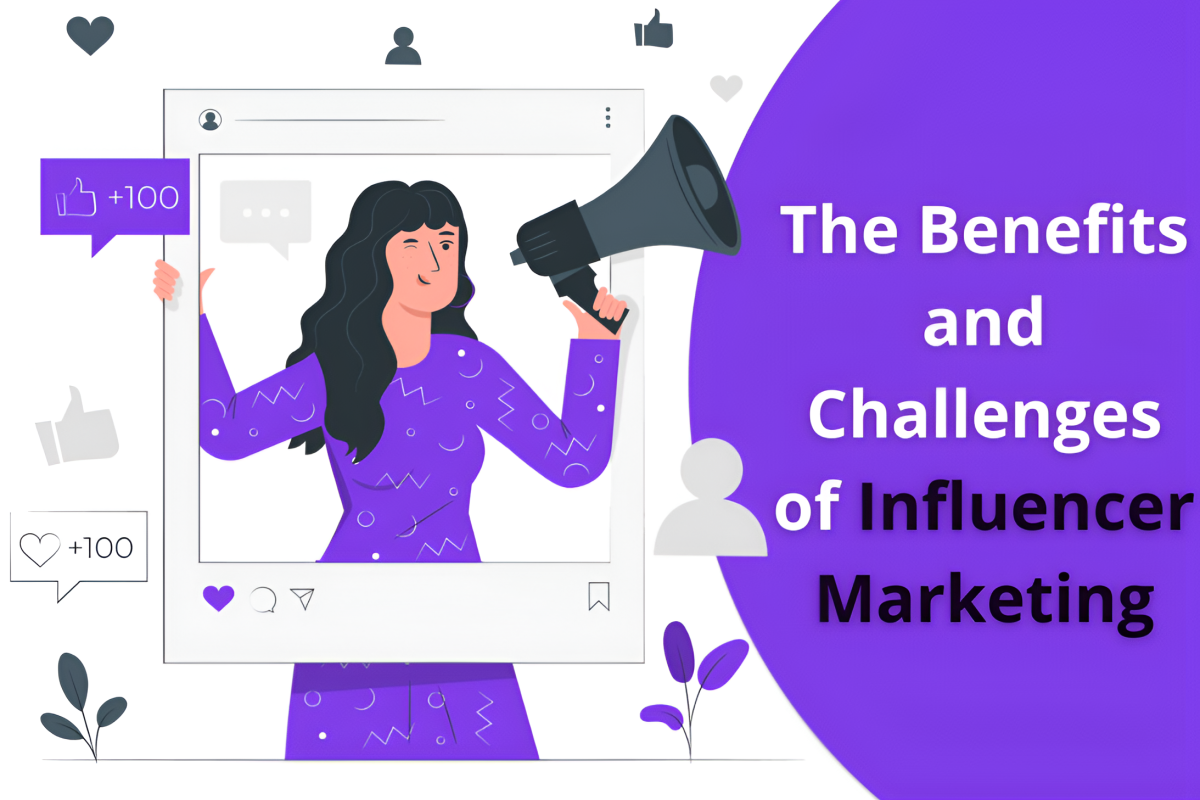
Influencer marketing has rapidly evolved into a significant strategy for brands looking to connect with their target audiences. By partnering with individuals who have established credibility and a loyal following on social media, companies can effectively amplify their message. However, while influencer marketing presents numerous benefits, it also comes with its set of challenges. Understanding both sides can help businesses navigate this powerful but complex landscape.
Benefits of Influencer Marketing
- Enhanced Credibility and Trust Influencers have built relationships with their followers based on authenticity and trust. When an influencer endorses a product, it is perceived as a genuine recommendation rather than a traditional advertisement. This trust often translates into higher engagement and conversion rates compared to conventional marketing methods.
- Targeted Reach Influencers often cater to specific niches, allowing brands to reach highly targeted audiences. Whether it’s beauty, fitness, technology, or lifestyle, brands can partner with influencers who align with their niche, ensuring that their message resonates with the right demographic.
- Cost-Effective Compared to traditional advertising channels, influencer marketing can be more cost-effective, especially for small to medium-sized businesses. Micro-influencers, in particular, offer affordable collaboration opportunities while delivering significant engagement rates.
- Improved SEO and Online Presence Collaborating with influencers can also enhance a brand’s online visibility. Influencers create content that links back to the brand, improving search engine rankings and increasing traffic to the company’s website.
- Creative Content Creation Influencers are skilled content creators. By partnering with them, brands gain access to high-quality, creative content that can be repurposed across various marketing channels. This not only saves time but also ensures that the content resonates well with the target audience.
Challenges of Influencer Marketing
- Finding the Right Influencer One of the biggest challenges is identifying the right influencer. Not every influencer with a large following will align with a brand’s values or appeal to its target audience. A poor match can result in wasted resources and potential damage to the brand’s reputation.
- Measuring ROI Unlike traditional marketing, measuring the return on investment (ROI) for influencer campaigns can be challenging. While metrics like engagement rates, click-through rates, and sales conversions can provide some insights, they don’t always capture the full impact of a campaign.
- Authenticity Concerns The effectiveness of influencer marketing hinges on authenticity. However, if followers sense that an endorsement is insincere or purely transactional, it can backfire. Brands must ensure that partnerships feel natural and that the influencer genuinely believes in the product.
- Compliance and Regulations With the rise of influencer marketing, there has been increased scrutiny from regulatory bodies. Brands and influencers must comply with advertising guidelines, including proper disclosure of sponsored content. Failure to do so can lead to legal issues and loss of consumer trust.
- Saturation and Fatigue As influencer marketing becomes more widespread, consumers are becoming increasingly aware of sponsored content. This saturation can lead to influencer fatigue, where audiences grow tired of constant product endorsements, reducing the effectiveness of campaigns.
Conclusion
Influencer marketing offers a unique opportunity for brands to connect with consumers in an authentic and engaging way. The benefits, including enhanced credibility, targeted reach, and creative content creation, make it an attractive strategy. However, brands must also navigate challenges such as finding the right influencer, measuring ROI, and ensuring authenticity. By carefully selecting partners and crafting thoughtful campaigns, businesses can leverage influencer marketing to build lasting relationships with their audience while achieving their marketing goals.
Read More: Enhancing Communication Skills for a Career in Recruiting